


Table of Contents
Hoi An Ancient Town is one of Vietnam’s most charming historical destinations, famous for its yellow-painted houses, traditional architecture, colorful lanterns, riverside scenery, and rich cultural heritage. Located in central Vietnam, it attracts travelers who want to experience Vietnamese history, local cuisine, traditional crafts, and a slower pace of life.
The ancient town is part of Hoi An and is recognized as a UNESCO World Heritage Site.
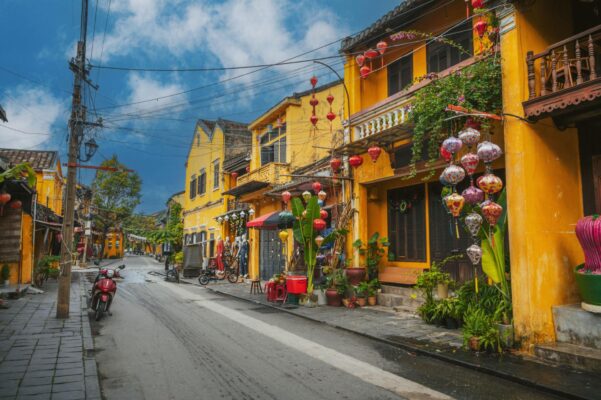
Where is Hoi An Ancient Town?
Hoi An Ancient Town is situated in central Vietnam, near the coast of the East Sea and approximately 30 kilometers south of central Da Nang.
- Country: Vietnam
- Region: Central Vietnam
- Nearby city: Da Nang
- Main river: Thu Bon River
- UNESCO designation: World Heritage Site, inscribed in 1999
The town is relatively compact, making it easy to explore on foot or by bicycle. Its historic streets feature preserved merchant houses, temples, assembly halls, small museums, cafés, boutiques, and traditional craft shops.

History of Hoi An Ancient Town
Hoi An developed into an important international trading port between the 15th and 19th centuries. Its location along the Thu Bon River made it a convenient destination for merchants traveling by sea from across Asia and beyond.
A multicultural trading port
During its trading-port era, Hoi An welcomed merchants from China, Japan, and various Southeast Asian countries, as well as European traders. These communities contributed to the town’s distinctive architectural and cultural identity.
Their influence can still be seen in:
- Traditional Vietnamese houses: Narrow-fronted buildings with tiled roofs, wooden interiors, and courtyards.
- Japanese architecture: The famous Japanese Covered Bridge, one of the town’s best-known landmarks.
- Chinese assembly halls: Elaborately decorated communal buildings associated with Chinese merchant communities.
- European influences: Elements of architectural design and trade history that reflect Hoi An’s international connections.
As maritime trade patterns changed, Hoi An gradually lost some of its former commercial importance. This decline helped preserve much of its historic urban fabric, which later became central to its heritage value.
In 1999, UNESCO recognized Hoi An Ancient Town as a World Heritage Site for its exceptional preservation as a Southeast Asian trading port.
Best places to visit in Hoi An Ancient Town
1. Japanese Covered Bridge (Chùa Cầu)
One of Hoi An’s most recognizable landmarks, this covered bridge reflects the town’s historic cultural connections. Its distinctive wooden structure and tiled roof make it a must-see for architecture enthusiasts and photographers.

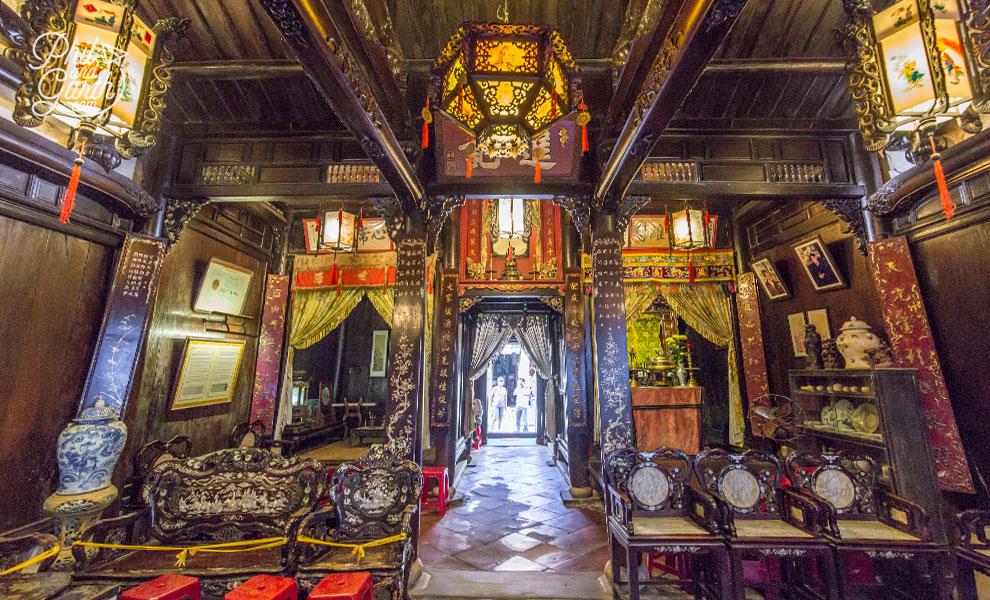
2. Tan Ky Old House
This historic merchant house showcases traditional wooden construction, carved details, and architectural elements influenced by different Asian cultures. It offers a glimpse into the lives of Hoi An’s prosperous trading families.
3. Fujian Assembly Hall
Famous for its ornate entrance, colorful decorations, and elaborate traditional architecture, this assembly hall represents the heritage of Hoi An’s Chinese community.
4. Thu Bon River
The river was central to Hoi An’s historic trading activities. Today, visitors can enjoy riverside cafés, sunset boat rides, and views of lantern-lit buildings reflected in the water.

5. Hoi An Central Market
A lively place to discover local ingredients, Vietnamese street food, fresh produce, and regional specialties. It is especially interesting for travelers who want to experience everyday local life.
>> Read more: How to Choose the Best Hoi An Tattoo Studio? Key Factors to Consider
What makes Hoi An Ancient Town special?
Lanterns and the nighttime atmosphere
Hoi An is particularly famous for its colorful silk lanterns. After sunset, the lanterns illuminate the old streets, cafés, and riverside buildings, creating one of the town’s signature scenes.
The monthly full-moon celebration, traditionally held on the 14th day of the lunar month, is an especially atmospheric time to visit. Traditional cultural activities and candlelit lanterns are part of the experience.
Traditional crafts and shopping
Visitors can explore silk shops, art galleries, handmade souvenirs, and tailoring workshops. Traditional lantern-making and nearby pottery villages also offer opportunities to learn about local craftsmanship.

A living heritage site
Unlike a historical site preserved solely as a museum, Hoi An remains a functioning town. Residents continue to live and work among its historic buildings, while shops, restaurants, and cultural activities keep the area active.
This combination of everyday life and preserved architecture is a major reason for its UNESCO recognition.
Famous food in Hoi An
Cao lầu
A signature Hoi An noodle dish served with slices of pork, fresh herbs, greens, and crispy toppings. Its distinctive noodles and local culinary traditions make it one of the town’s essential foods.

Cơm gà Hội An
Fragrant yellow rice served with shredded chicken, herbs, and a variety of accompanying sauces. It is a popular choice for lunch or dinner.
White Rose Dumplings
Delicate steamed dumplings filled with seasoned ingredients and shaped to resemble small white flowers. They are among Hoi An’s best-known culinary specialties.
Bánh mì Hội An
A crispy baguette filled with pâté, meat, vegetables, herbs, and flavorful sauces. It is an affordable and convenient option for exploring the old town.

Best time to visit Hoi An Ancient Town
Hoi An has a tropical monsoon climate, so weather can influence your experience.
| Period | What to expect |
|---|---|
| February–April | Generally pleasant conditions for walking and sightseeing |
| May–August | Hotter weather; good for combining the old town with beach visits |
| September–January | Wetter season, with possible heavy rain and flooding |
| Full-moon evenings | A special opportunity to experience traditional lantern celebrations |
These are general seasonal patterns rather than a guarantee of the weather on any particular day.
Best time of day: Visit early in the morning for quieter streets and softer light. Return in the late afternoon and stay after sunset to experience the lanterns and riverside atmosphere.
Entrance fees and visitor information
The town’s historic streets and its individual heritage attractions have different access arrangements. Tickets help fund conservation work.
According to an announcement published by the Hoi An World Cultural Heritage Conservation Center on January 28, 2026, the listed ticket options were:
| Ticket | Listed price |
|---|---|
| Vietnamese visitors | 80,000 VND |
| International visitors | 120,000 VND |
Ticket entitlements differ by category. Confirm the current price and included monuments at the official ticket counter before visiting.
- Getting there: Da Nang International Airport is the main airport for visitors traveling to Hoi An.
- From Da Nang: The journey typically takes around 45–60 minutes by car, depending on traffic and the starting point.
- Getting around: Walking is the best way to explore the central historic streets.
- How long to spend: Allow at least half a day for the main sights, or one to two days to explore at a more relaxed pace.
Suggested one-day itinerary
8–10 AM
Morning: Explore the historic streets
Walk through the old town, visit Chùa Cầu, and admire the traditional merchant houses before the busiest hours.
10 AM–2 PM
Late morning and lunch
Visit an assembly hall or old house, browse local shops, and try cao lầu or cơm gà for lunch.
4–6 PM
Afternoon: Riverside relaxation
Enjoy Vietnamese coffee, browse craft shops, and take photographs as the golden light falls over the yellow buildings.
After 6 PM
Evening: Lanterns and local food
Stroll along the Thu Bon River, explore the night market, and enjoy dinner in the old town.
Why Hoi An Ancient Town is worth visiting
Hoi An is much more than a picturesque tourist destination. Its preserved streets, historic merchant houses, cultural diversity, local cuisine, and lantern-lit evenings offer an accessible introduction to Vietnam’s history and traditions.
It is particularly suitable for history enthusiasts, photographers, couples, families, and travelers interested in architecture and local culture.
Adress: 25 An Thượng 4, Đà Nẵng City
- Tel: +84348040194
- Booking: https://thehangouttattoo.com/danang/
- Google map: https://maps.app.goo.gl/Geq4vptYA1tyHaxq9
Adress 302 Cửa Đại, Hội An Ancient town
- Tel: +8498855302
- Booking: https://thehangouttattoo.com/hoian/
- Google map: https://maps.app.goo.gl/mG9Era8G2KjzuywF8

 Tiếng Việt